These produce have tested as generally having the least amount of pesticides compared to others.
These produce tend to have a lower micronutrient to calorie ratio compared to others in their group. Vegetables, fruit, and fish are all very nutritious regardless!
The 'Dirty Dozen' often test for more pesticide residue compared to other produce. Evidence for negative health effects are not clear. For children or other at-risk groups, you may want to wash thoroughly, and consider buying organic to reduce exposure.
If diagnosed, you may experiment with avoiding certain foods. They may contain sugars and fibres that aggravate symptoms for some individual.
Certain types of large, wild caught seafood may have a particularly high concentration of mercury. They are safe to eat, but should not dominate protein intake.
Recently in-season!
Reaching the end of their season.
Seasonality data pulled and combined from multiple sources, like the USDA. Generally accurate to local conditions for peak produce quality and availability.
These foods tend to have the highest micronutrient to calorie ratios.
Thanks to modern supply chains, these foods are produced at a high quality year-round.
In April, fresh and vibrant spring vegetables take center stage: asparagus, artichokes, snap peas, and young carrots with fern-like tops thrive.
In-season produce is more flavorful, nutritious, and environmentally friendly. Take a page from michelin star chefs - eat with the seasons and stay in touch with the earth!
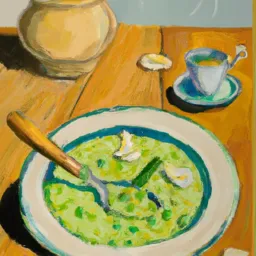
A light, refreshing soup that takes advantage of fresh peas during their peak season in spring, showcasing a dish with roots in European cuisine, particularly in France and Britain.
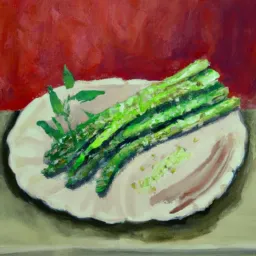
Goma-ae is a popular Japanese dish that highlights the seasonal freshness of vegetables, like asparagus, by dressing them in a sweet and savory sesame sauce.
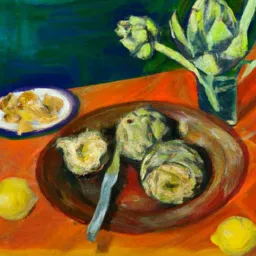
Artichokes are a celebrated ingredient in Italy, particularly in Roman cooking, where their peak seasonality in spring is eagerly awaited.
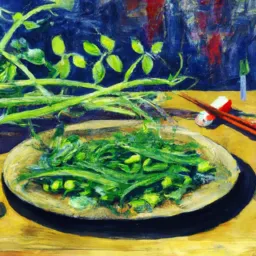
Stir-fried pea shoots are a popular dish in Chinese cuisine, particularly celebrated in the spring when pea shoots are young, tender, and sweet.
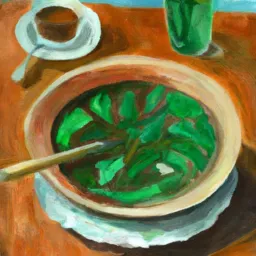
A quintessentially British dish, watercress soup celebrates the arrival of spring with its fresh, vibrant flavors, historically enjoyed as a revitalizing tonic when watercress comes into season.
Thanks to modern supply chains, these foods tend to be similar quality year-round.
Our data is cross-referenced to be broadly accurate for any well connected region in North America and Europe.